While the charred remains and smoke-stained walls are the most visible markers of a fire, the most insidious threat to a property often arrives in a high-pressure hose. For every minute of firefighting, hundreds of litres of water are pumped into the structure, turning a fire-damaged site into a saturated disaster zone.
If the focus remains solely on the fire, the “hidden flood” is ignored. Proactive water damage remediation is the first (and most critical) domino in the rebuild process. Without immediate intervention to address the firefighting water, the property moves from a fire claim to a complex mould and structural rot claim, causing costs to spiral and timelines to blow out.
The Complexity of Post-Fire Hydration
When water meets fire-damaged materials, it creates a unique set of challenges that standard flood recovery doesn’t face. Ash and soot, when mixed with water, become acidic and highly corrosive. This slurry seeps into structural voids, behind cabinetry, and under floorboards, accelerating the degradation of the building’s infrastructure.
For the insurance builder, this is the silent margin killer. Effective insurance claim lifecycle management must prioritise the extraction of this moisture before the soot has a chance to permanently set or mould begins to germinate. If the water isn’t addressed immediately, the builder isn’t just dealing with a rebuild; they are dealing with a contaminated, biologically hazardous site that requires far more extensive (and expensive) remediation.
Protecting the Build Through Secondary Damage Prevention
The primary objective of rapid mitigation is secondary damage prevention. By stabilising the environment within the first 24 to 48 hours, we prevent the second wave of destruction that often follows a fire event:
- Structural warping: Excessive moisture causes timber framing to swell, lose structural integrity, and potentially pull away from fixings.
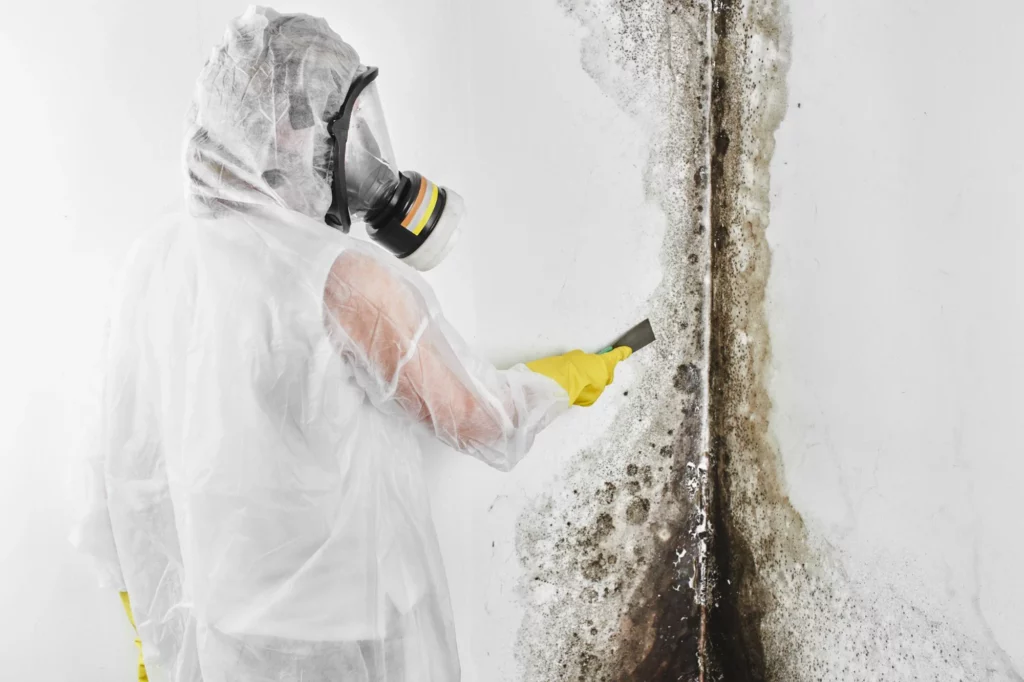
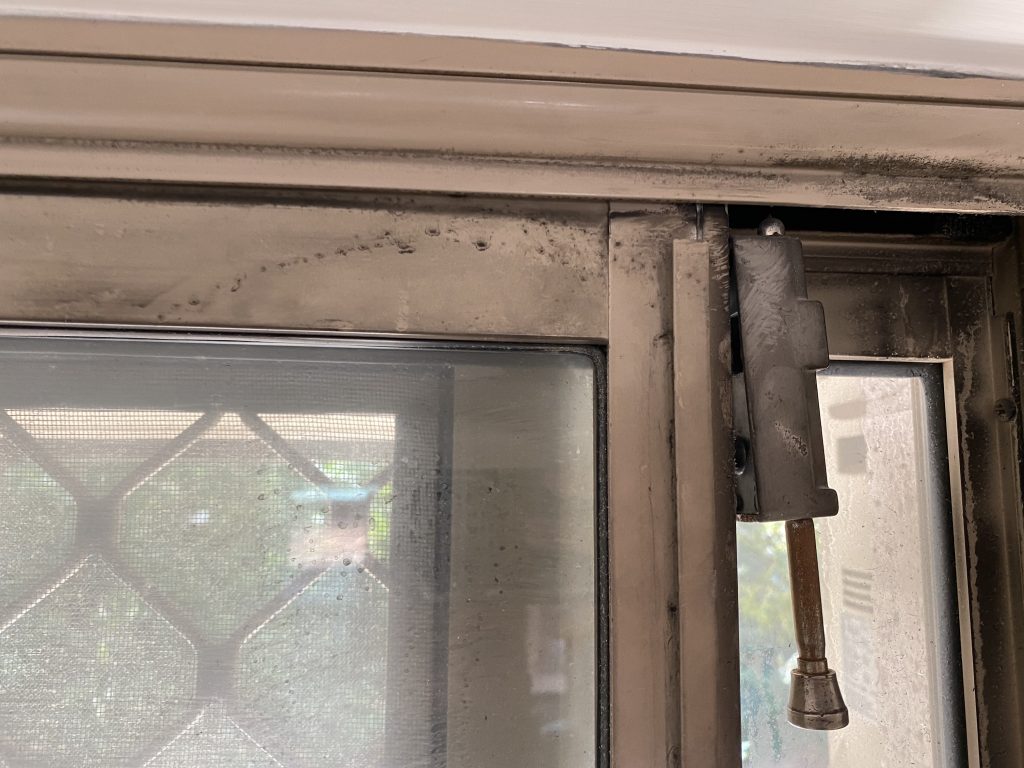
- Microbial growth: In the warm, humid environment of a fire-damaged building, mould can take hold within 72 hours, turning a simple drying job into a hazardous mould remediation project.
- Cross-contamination: Water acts as a vehicle, carrying soot and toxic contaminants into previously unaffected areas of the property.
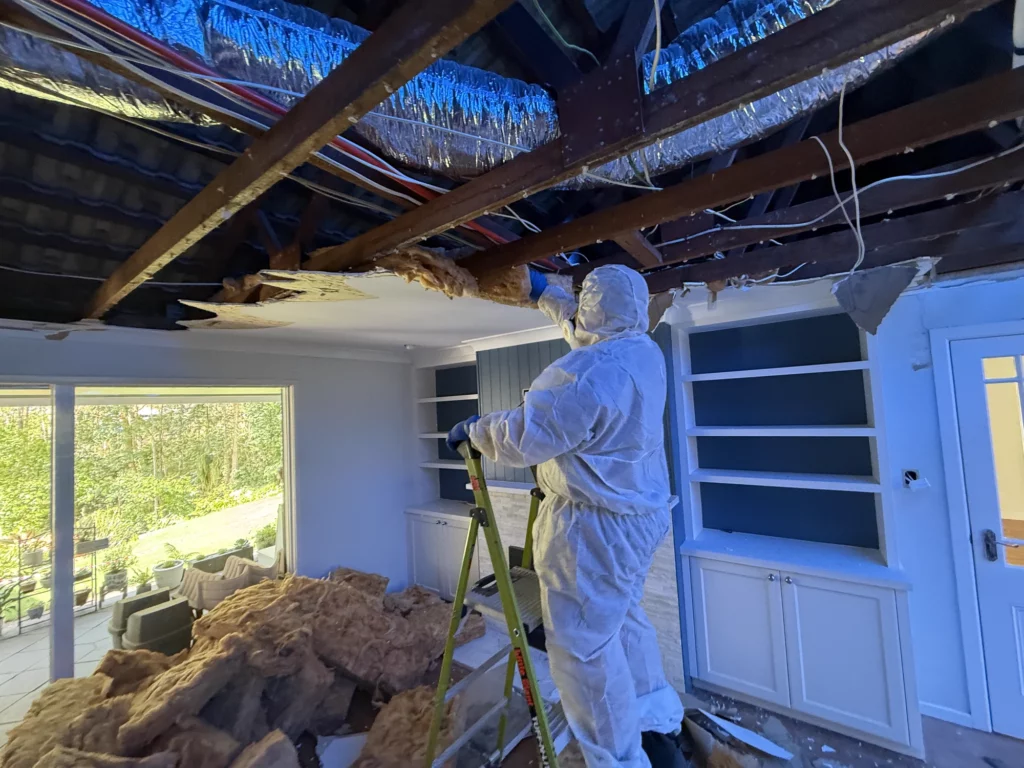
At TDR, our approach is governed strictly by water damage restoration standards in Australia. We don’t just air out a room; we utilise industrial-grade dehumidification, air movers and targeted heat drying to ensure the building’s envelope is returned to a dry standard. This technical rigour, quickly deployed, is essential for mitigating claims costs, as it allows the builder to commence reconstruction with the absolute certainty that they are not building over a ticking time bomb of moisture.
A Data-Driven Handover
A TDR handover provides insurance builders with more than just a dry site; it delivers a Certificate of Dryness, including:
- Atmospheric monitoring: Proving the relative humidity is within safe limits to prevent mould.
- Moisture mapping: Detailed logs showing that structural elements have reached their dry goals.
- Contaminant clearance: Verification that firefighting residues have been successfully extracted.
By narrowing the gap between the fire event and a dry status, we significantly reduce the total claim duration. When the mitigation is handled correctly, the builder can provide a firm timeline, variations are minimised, and the property owner is back in their home faster.
Certainty for Your Builder Partners
A seamless repair doesn’t happen by accident; it starts with a perfect handover. By prioritising rapid, expert mitigation, you reduce the total claim lifecycle and protect the profitability of the repair phase.
Give your builder partners and your clients the certainty they need.